

APPRECIATION & MUTUAL RESPECT
Amy Shimshon-Santo (AS²): This is Inheritance of Peace. I’m Amy Shimshon-Santo. In this episode, we speak with Leonora Simonovis — poet, editor, professor, and mother. Simonovis traces her Inheritance of Peace to early life lessons of ingenuity and gratitude that she learned during her childhood in Venezuela. Her stories reveal deep empathy for human and more than human life. She highlights the importance of “relationality” between people (and our many cultures) along with plants, animals, and the land. Simonovis advocates for rejecting greed and cultivating mutual respect as the foundation for working toward peace. Thanks for tuning in.
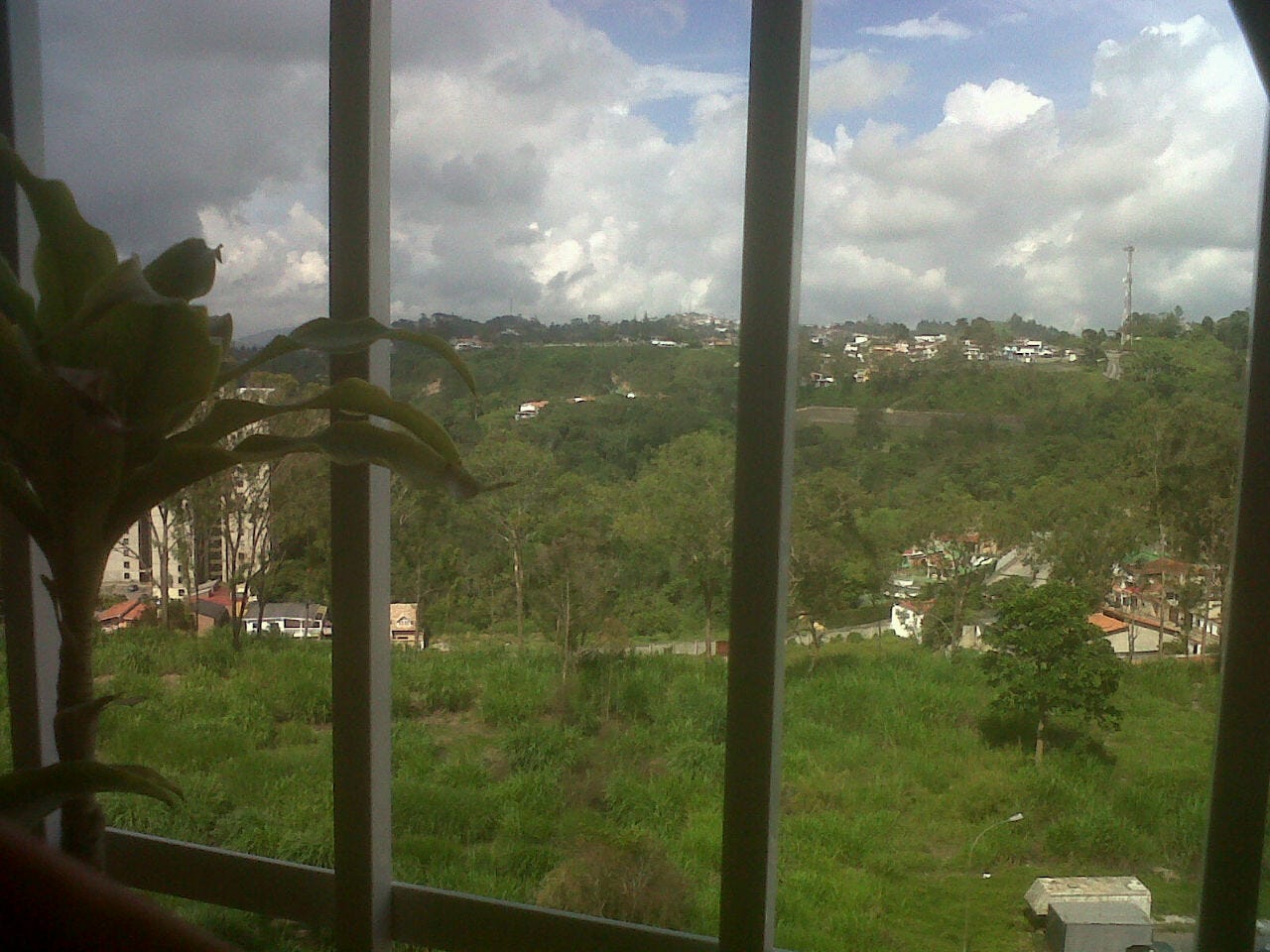
Leonora Simonovis (LS): I am a human. A wild little animal. I am a mother of two. I am a poet, a writer, a teaching artist. A wanderer. A seeker. Someone who cares very much about the land. I’m just happy to be alive, in these crazy times. And to go through it with some awareness, and to learn as I move along the way.
AS²: Oh, yes. I want to make a t-shirt now that says, “I am a wild little animal.”
LS: Please do. I’ll buy it.
AS²: Thank you for that poetic entrance.
LS: I think my life purpose is to live my life in the best way that I can. That is a process, because it changes, and it shifts. Sometimes I think that I am where I need to be, and sometimes I think that I need to shake things a little bit so that I can move and transform whatever has become stale. Part of it is education. I find that being in the classroom and having difficult conversations does help me understand why things are the way they are. And what my role could be.
AS²: Do you want to give an example of a difficult question that you might pose?
LS: Yeah. So this semester, we are reading a novel by a Native American writer Darcie Little Badger. Elasoe is the name of the novel. It’s a beautiful YA (Young Adult Fiction) novel about a 17-year-old young woman who has powers. She’s aware of the responsibility that having those powers means. There are a lot of questions about: Okay, if we have the power to do something, how do we do it? If we had all of that power, would we attack? Would we create war? Or would we instead try to negotiate, have conversations and dialogue? We got to talk about all of these things. One of the students said, “I can’t believe how similar this is to our reality.” And that was the point of reading the novel.
How can I create connection and build community? But, also, a community that can think critically and compassionately about others and what is going on in the world. Would you stand up for someone else? Or would you just let it play out because it doesn’t “affect you.” The book helped us have some deep discussions about relationality in today’s world, and history, and how we fit into all of that.
“I became aware of the fact that home is wherever I am. Of the land as a sentient being, as a mother, as a caring figure.”
AS²: I’m going to turn us toward the next question. What are the lands that you feel connected to and why?
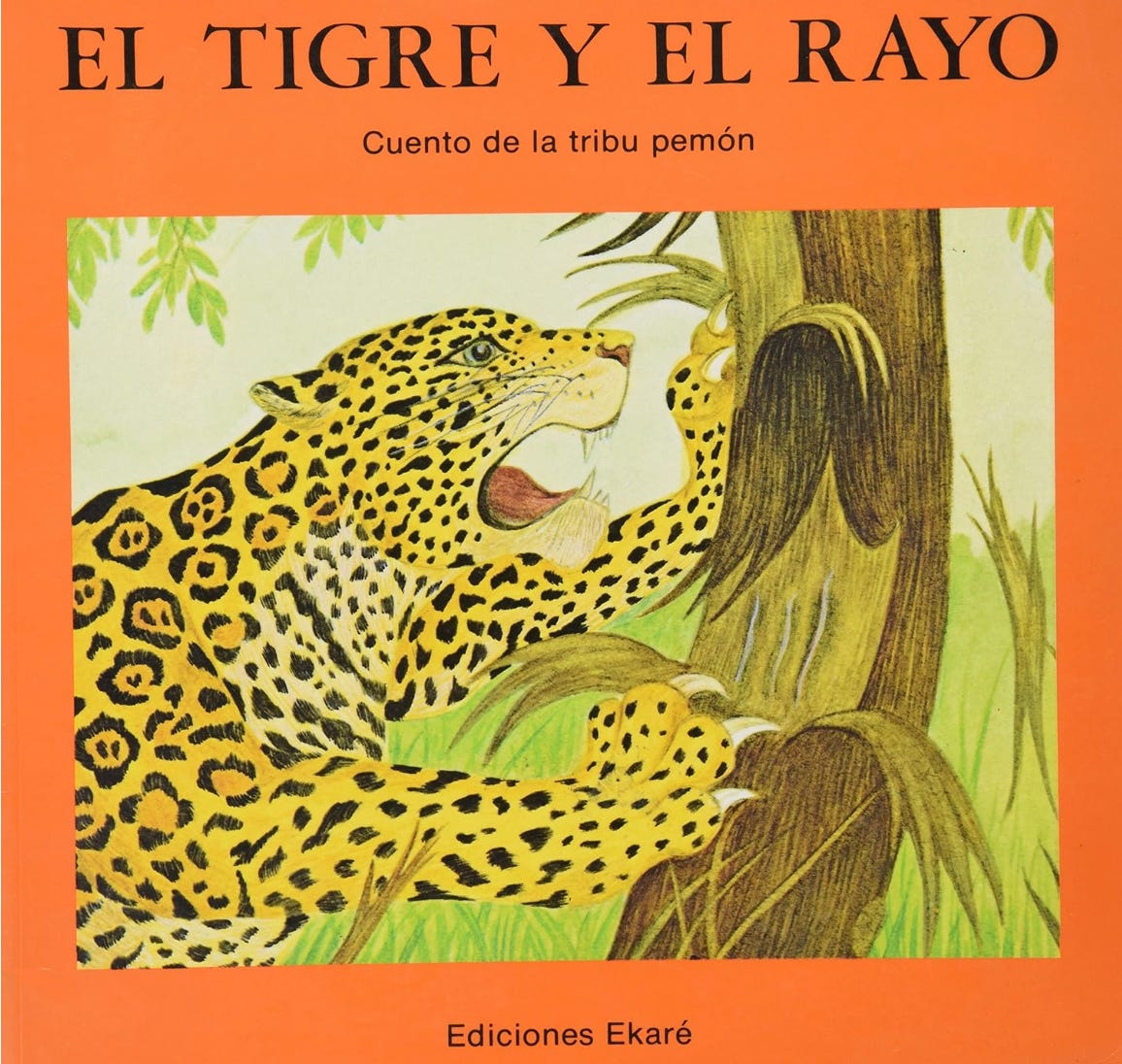
LS: Such a good question, thank you, I appreciate that. I would say I still feel very connected to Kumeyaay land in San Diego, in Southern California. It’s the first place where I became aware of the fact that home is wherever I am. Of the land as a sentient being, as a mother, as a caring figure. But I also learned about the indigenous lands in my home country, which is something that I wasn’t as conscious about. I mean, I had read a little about it. My mother, when I was very small, bought me a lot of stories by indigenous people from Venezuela, from different parts of the country (books) that had been translated by missionaries. One of those is my very favorite story. I still have it. It’s all scuffed up. It’s called El Tigre y El Rayo translated by Cesáreo de Armellada.
AS²: El Tigre y El Rayo.
LS: I actually studied Warao, which is an indigenous language. Living in California, I became aware of my heritage. I didn’t know, until I was in my 30s, that my great-grandmother was Native. I was born in Caracas, Venezuela. I spent most of my childhood there, and then I came to the U.S. and did my middle school on the East Coast in New Haven, Connecticut. I didn’t want to go back to Venezuela. I had already adjusted. We went back to Caracas and I finished high school. I went to undergraduate school. I did a master’s degree, and then I applied for a Ph.D. in the United States because I always wanted to come back. Which is a very complicated thing. I had friends, I had community. My whole family was there, but I never felt like I fit. I had experienced discrimination. That caused a lot of inner conflict for me. I did my Ph.D. here in the United States, graduated, and got a job in San Diego to teach at the University of San Diego. I taught there for 17 years.
AS²: Bravo.
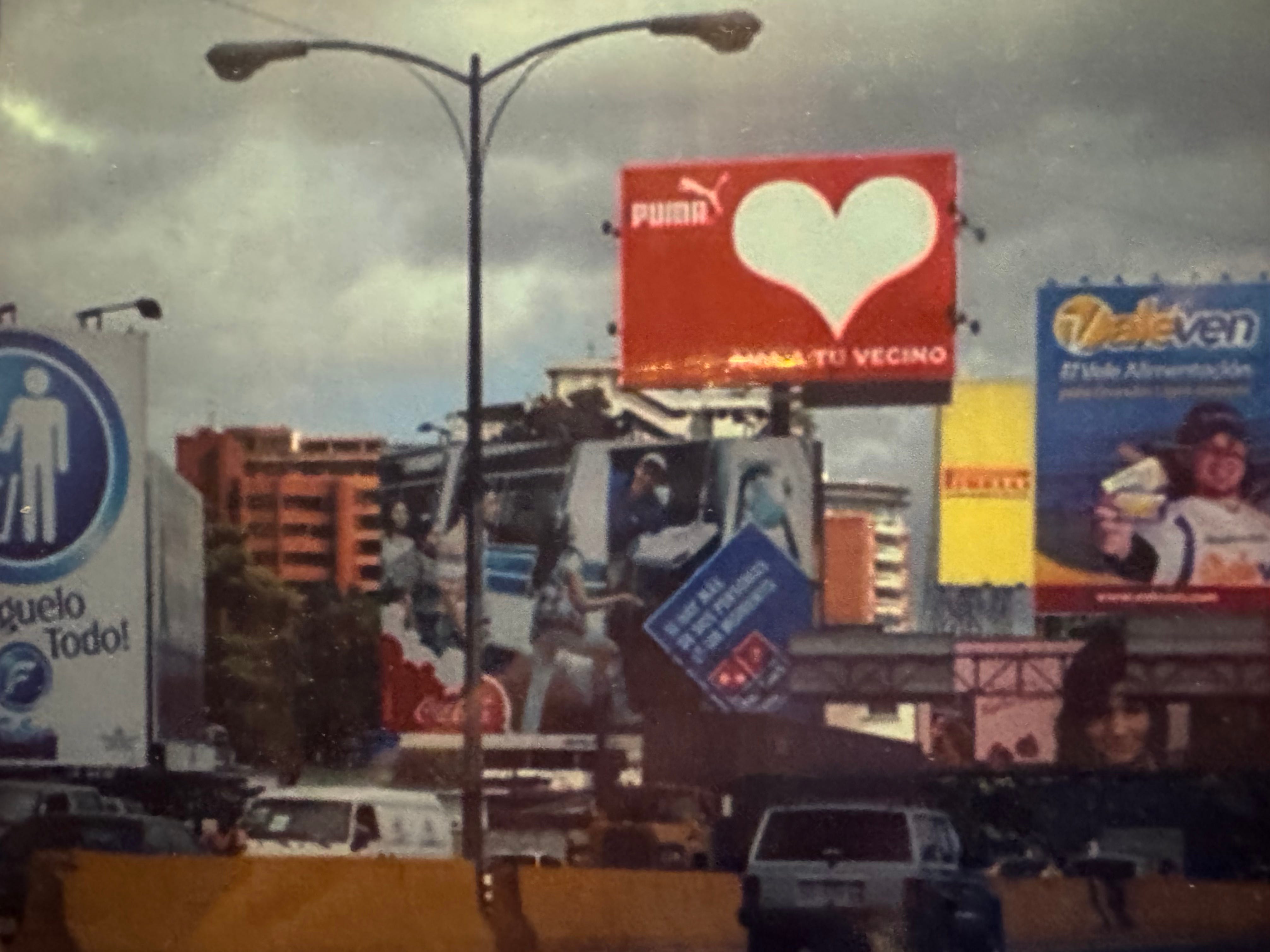
LS: California was the one place where I did not feel different. And it was not just the Spanish-speaking people, it’s just that there was a sense of belonging, of being accepted, of building community. Also, I learned a lot about the language that is used to oppress others.
I learned a lot about history, things that I was somewhat aware of but hadn’t explored before. For example, in Caracas the mountain that surrounds the city — because the city is a valley — is called El Avila. The indigenous name is Waraira Repano which I knew, not from school, but from my mother. And then I started digging deeper and found out about the Indigenous people who lived there before the Spanish came.
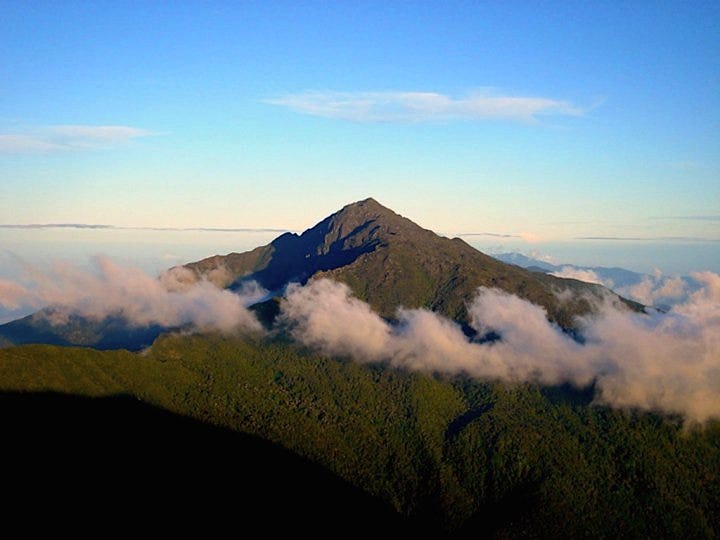
There’s a lot of confusion about who was what, and where they lived, because borders were created, and tribes were separated as well. But I’m still trying to learn, who were the people before me? And I know the Tainos were first, and that connects us to Puerto Rico and the Caribbean. Being in California, and bonding with the land and with the people there, allowed me to open up and to look at a part of myself that I had not looked at before.
AS²: Having been born in California, I’m happy California had a positive impact on you. My son’s name is Avila and my brother had a dear friend in Venezuela who brought back a big poster of the mountain that says El Avila and that was up in his room when he was a child.
LS: You are a mountain, my child.
AS²: That’s funny. A friend of mine, Mamle Wolo, is a Ghanian / German writer born and raised in Ghana. Her father’s language is Krobo, and the term for mountain and woman is the same word.
LS: Oh, wow. I love that. There’s something there.
AS²: I’m just curious. Was your MA in Caracas also in languages and letters?
LS: It was in Literary and Cultural Studies. But many of the theorists were European. That’s what we were encouraged to use when writing essays or articles. Which I think is why I decided to become a writer. Well, I was already a writer. I already wrote. I was being told “why aren’t you using so-and-so’s work? Why aren’t you looking at this?” And I was like, but these are my ideas! I wanted to discuss from an experiential point of view, and that was not acceptable.
AS²: I empathize with that. In the social sciences, we hear “one can’t write this” if it’s not citable, a non-legitimate citation. Unless you turn to qualitative research. At best, this is a way of people longing to have a global theoretical discussion, but at worst it is a new iteration of hegemonic criteria for cultural or literary theory that doesn’t allow one to bring out the language of the mountain. Poet Kamau Brathwaite said, my theory of language is the volcano! I come from an island of a volcano. When he was studying abroad, he defined his own cultural framework for literary theory and used a natural part of the environment to tie onto versus a theorist from a completely different climate.
LS: Yeah, I love that. His poems can be used as theory. They’re just beautiful. And they’re rebellious in the best of ways. I hadn’t thought about Brathwaite in so long. I need to go back and reread him.
AS²: I particularly like his interviews. It’s one of the reasons why I’ve been enjoying these Inheritance of Peace interviews. How do wonderful people, who are good at different things, come to theorize and understand their own lives?
LS: Yeah. They can be so revealing.
AS²: So, it sounds like your poetic inquietudes started way back. I guess it was not just political, or socio-cultural, there was some little thing in you. Maybe that’s “the wild little animal?”
LS: It is! I was thinking about that recently because one of my first connections to poetry was Lorca (Federico García Lorca). Lorca was not a conformist. We had a lot of U.S. influence [in Venezuela] because of the Cold War. There was so much influence in Latin America from the United States, cultural influence. All the Disney stuff for the kids especially.
AS²: Like Ariel Dorfman‘s analysis of How to Read Pato Donald?
LS: All that. My mother was never happy about that. So sometimes I would ask, Oh, can I have Mickey Mouse, whatever. Sheets? And she was like, No, we can’t afford it, but I think it was more than that. I think it was, No, I don’t want that influence on you yet. You can decide later if you want Mickey Mouse. But right now, I’m gonna show you what’s here. Both my parents always said, Before you get to know another country, get to know your own and what’s there.
“Both my parents always said, ‘before you get to know another country, get to know your own and what’s there.’ I remember on road trips, we used to listen to a lot of folk music, and that’s how I learned history about my own country. Not the official history and the heroes. I learned about place from those songs.”
I remember on road trips, we used to listen to a lot of folk music, and that’s how I learned history about my own country. Not the official history and the heroes and all that stuff, but I learned about place from those songs.
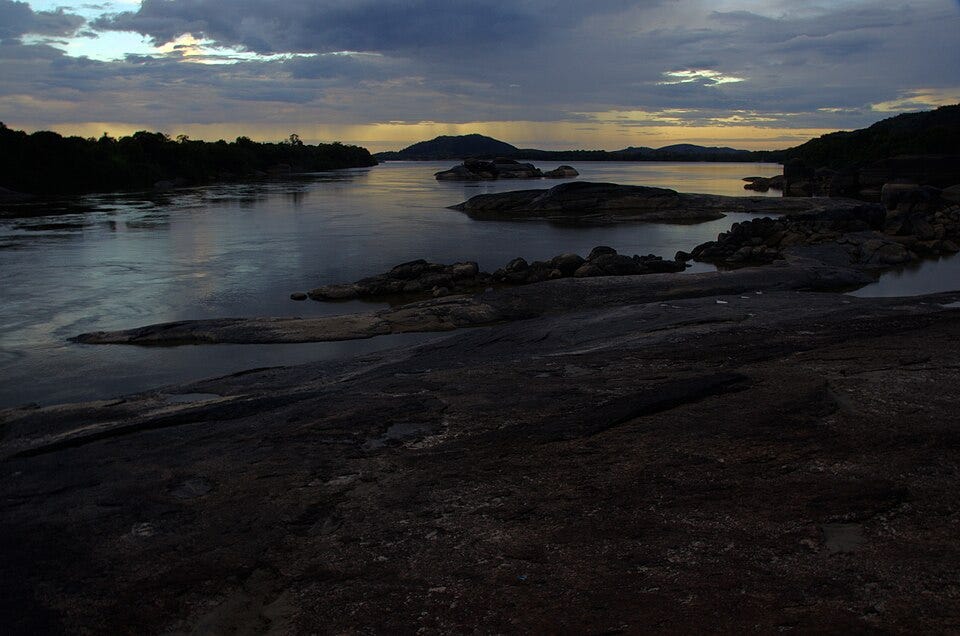
My grandmother had stories after stories after stories of the Orinoco River, and the history of that region which is close to the Amazon. She used to recite the songs, like the “eenie-meenie-minnie-moe,” but in patois. She didn’t say, “catch a tiger,” but it was something else. She partially grew up in Bolivar State. It’s in southern Venezuela.
There was a lot of mining, and a lot of oil workers who came from different countries, especially from Trinidad and the islands. They spoke English but they also spoke Creole. My grandmother didn’t speak Creole, but she remembered words. Even the food my grandfather used to make. He grew up on the coast. He used to make this dish called Queso relleno. That was always a New Year’s dish in my home. It’s Dutch. It comes from the islands, Aruba, Curaçao, Bonaire, and Dutch Guyana which are very close to us. And so, there’s no purity…
AS²: It’s the human migration story.
LS: Yeah, and it’s lovely. People added whatever was available to them. Nothing is really pure, right? There’s all this combination of lovely flavors and spices and ingredients that make up who we are.
AS²: Absolutely. And the songs and the sounds.


LS: Oh, yeah. Calypso. I love Calypso.
AS²: What are examples of the Venezuelan folk music that you listened to? Any particular artist that you remember their names?
LS: Serenata Guayanesa was a quartet from the Guayana region which is in the south where my grandmother lived, in Bolivar State. They harmonized. They played quattro and mandolin and other instruments. They talked about place. They talked about nostalgia for the past before everything became overly populated. They sang to the rivers. They sang to the flowers. It was just gorgeous. And then Simón Díaz, he’s actually well known around the world, because a lot of composers have taken his songs and reinterpreted them. He’s from the Llanos which is on the western side of the country. My grandmother was born there, even though she lived in other places, and my great-grandmother too. They knew the family. She always said Simón Díaz was this wonderful person who had taken their roots and what the Llanos are — the cow being milked, and the little ternero, the baby cow.
“I loved Calypso. Serenata Guayanesa was a quartet from the Guayana region which is in the south where my grandmother lived, in Bolivar State. They played quattro and mandolin. They talked about place. They sang to the rivers. They sang to the flowers. And then Simón Díaz, he’s from the Llanos which is on the western side of the country. My grandmother always said Simón Díaz was this wonderful person who had taken their roots and [sung about] what the Llanos are.”
AS²: Se llama ternero?
LS: Ternero o Ternera.
AS²: Oh, so cute!
LS: And there’s one song that’s very famous, it’s La Vaca Mariposa. La Vaca Mariposa has a baby and everybody’s fascinated with the baby. All the kids and the animals come to see the baby, but they don’t realize that the baby will be slaughtered. And so the song is about that — all that tension between the romanticization of life in el campo and the reality. They make their living that way. It’s their life, right? It’s not the food industry. Yeah. It was a different time.
AS²: A different time, a different scale, a different relationship. An awareness of life.
LS: Yeah. Certainly.
AS²: When you first said “La Vaca Mariposa,” I thought, how is there a flying butterfly cow?
LS: I know. I think it was her name. She also must have had some kind of spot on her body.
AS²: You mentioned the impact of the Cold War on your family. The Cold War also had a big impact on my family. It affected my grandmother and my father in particular, and when my mother first moved to the United States, she said, “oh, everybody’s afraid. There’s a sense of abundance and a sense of fear.” Because she came here in ‘52. I just wondered if there’s any other things you wanted to mention about the Cold War, because it’s something that we don’t usually talk about, because it’s a little bit scary. There are a lot of reciprocal arguments that were used in the Cold War that are somehow bubbling up again, so I wonder if we should think about it together just for a moment.
LS: There’s a cultural aspect of it. For example, El Cine de Oro Mexicano. The black and white films, Mexican cinema, and all the songs that came from it. That was very idealistic in terms of la pobreza, it’s a virtue and all that. We watched a lot of those films, and that was Mexico’s counterattack on the United States imposing their Hollywood films and imagery on Latin America. And so, we had on the one hand all the Mexican films. Venezuela also had their own films. But at the same time, we had all the influence of U.S. films, because in Hollywood there’s money. Where there’s money, there’s a way.
AS²: And distribution. And a cultural perspective of what is beautiful and what is valuable behind the story.
“We grew up under the shadow of the Cuban Revolution, the Nicaraguan Revolution, and there was a lot of hush-hush about it. Even those who had participated in the guerrillas. I was curious. Why? What did you believe in? They rarely talked about it. But, I also saw the scars of fighting a fight that didn’t really pan out the way they wanted it to.”
LS: Exactly. But there was also the political side of it. We grew up under the shadow of the Cuban Revolution, the Nicaraguan Revolution, and there was a lot of hush-hush about it.
We moved when I was about nine. All these buildings were made for university professors and their families, and the idea was that they were gonna have one of the professors teaching us chess, and we had little competitions and things like that, and another one was teaching us how to play tennis. And it was all free. It was all accessible, so that was the point, that we could have access to all these things, music, and the arts and everything. Because all these professors were willing to give their time for the children that were growing in this community. We did have some of that growing up.
But as the neighborhood started to change and shift, we also got a lot of ex-guerrilla people. And they had a very different view of things, but I always thought it was so good to have all of those perspectives in the community. Because my mom, for example, didn’t agree with the guerrilla. I hung out with a lot of kids whose parents were in the Communist Party, or were part of the Communist Party, or had been and so I didn’t see it that way. I was like, these are people just like me. They just have other ideas. Even those who had participated in the guerrillas. I was curious. Why? What did you believe in? They rarely talked about it. But, I also saw the scars, you know, of fighting a fight that didn’t really pan out in the way they wanted it to.
So there were all those contradictions, plus all the immigrants coming from Spain after the Civil War, from Italy after Mussolini, from the Caribbean Islands too because the economy wasn’t great. I also grew up around people speaking so many different languages. I’m not surprised when I hear someone speaking another language, and I just immediately get curious: what are they saying? There was so much richness during this Cold War time, but that wasn’t what was being portrayed. It wasn’t just Russia and the U.S. No, there was so much more. Other countries have been affected by this. All those experiences taught me, there’s always more to the story. There’s not just the version that we’re being fed.
“All those experiences taught me, there’s always more to the story. There’s not just the version that we’re being fed.”
AS²: Absolutely. The human story, the family story. The story of children. Human history is not just the story of the big people in charge.
LS: Right.
AS²: I hope that you’ve had a chance to teach language through a rich Latin American Studies perspective because when you start to riff there’s so much in your mind. There also critiques of the simplification of Latinidad in the United States, and it’s so nice and refreshing to hear your take on it. It’s a very particular creation of the Chamo and Chama identity that we love and are curious about.
Okay, so you were raised in all of this richness. You’re such a globalist. You’ve moved around and learned in so many different places. Studied rigorously, taught devotedly, and also taken a stand for your own voice on the page and in your own self-definition.
What would you say if you were to look back in your family lineage, in your human lived experience, what you’ve inherited and what you’ve chosen for yourself. What is your inheritance of peace? Obviously, Venezuela has been in the news.
“Growing up there was always a crisis. If it wasn’t transportation, you couldn’t find a specific food product. Blackouts. Sometimes no water, this and that. However we learned to live with that. This is part of my inheritance of peace, I think. If this is what there is, you take it, because you never know when the next thing is gonna come. And you learn to live with what you have. And you learn to appreciate it.”
LS: Yeah, a lot. Something I always think about is how growing up there was always a crisis. If it wasn’t transportation, you couldn’t find a specific food product. Blackouts. They’ve always been there. Sometimes no water, this and that. However we learned to live with that. This is part of my inheritance of peace, I think. If this is what there is, you take it, because you never know when the next thing is gonna come. And you learn to live with what you have. And you learn to appreciate it.
We didn’t have a yard, but my mother had the most beautiful collection of plants. She would put trays on the window bars with fruit that was left over from whatever we had had, and then the birds would come. And so there was always this connection to the land and to reciprocating. The plants were beautiful because she talked to them, because she cared for them.


And the same was true for my grandmother. Sometimes I would get dropped off at my grandmother’s, and the first thing she would do when waking up and after having her cup of coffee was: we’re gonna go water the plants. We’re gonna go take care of the plants. And I would go with her. I just wanted to play with the hose, but she would just show this is how you do it. Sometimes she would point at something. “Oh, look at how the guava is doing!” and “Look at how the platanos are doing!” and “See how beautiful the leaves are?” There was all this connection. “Relationship” was not just with people. Because, of course, we had gatherings and get-togethers regardless of what was happening, and food was being made, and we found ways to enjoy with those around us. But, also, with the tree that was giving us shade and fruit that we enjoyed once a year.
“You don’t need to destroy something or to impose yourself on anything. A reciprocal relationship makes a huge difference. That is what I consider my inheritance of peace.”
My great-grandmother always brought different types of birds and she would give some of them to my mom. We had all kinds. We had parrots. We had parakeets. I can remember quails at some point. And then my mom ended up setting them free.
It was that relationality. No matter what’s happening you always will have that. You will have that relationship that keeps you grounded. And you don’t need to destroy something or to impose yourself on anything. A relationship, a reciprocal relationship, makes a huge difference. That is what I consider my inheritance of peace. Even though in my home, I did not grow up in a safe environment. I knew I had other things, other family members, and people I could count on. But I could also go outside and take a bike or skate, and just be in nature, and be happy to find a way to discover something.
AS²: I love that. It’s so beautiful. It’s such a worldview of what is valuable. How shall we spend our time? What is beautiful? What will bring us joy? What will give us a sense of connection? It’s absolutely what we belong to. The natural world. The plants. The animals, birds, and so forth. And this is being taught to you by the women in your life, too.
LS: Yeah.
AS²: There is a lot of privilege that goes on here [in the U.S.} that is just not known to people who have not lived in, or have family in, the exterior. I guess, a lot of people here are not necessarily, in a lived way, familiar with the world economy.
LS: Yeah. Sometimes in the news, they say, okay, this product is sort of running low, and we might not be able to produce it for X amount of time, and then people just go and buy all of it. You know, there is enough. There’s enough for everyone. Why? It’s not just about you having access. We all can have access.
AS²: Sometimes there’s themes in the different Inheritance of Peace interviews that weave in and out. One of the things that Beah Bataku was talking about in her interview is that pressure on access to oil in West Africa translates as what we get to eat for dinner. It’s not just the price of gas. It’s what our meals are made of. This has an immediate impact on hunger. That was at the beginning of the recent U.S.-Israel-Iran War.
“Getting rid of one person doesn’t mean you get rid of the whole system. It’s been in place for decades. And people’s mentality has changed, too. Morality has changed. Ethics have changed. So you have to also think about how are you going to work to change the deepest collective fears? Ways of acting. It’s not a superficial change. I understand that people want to have hope, and they should have hope.”
LS: And I haven’t lived there for a long time, so I realize I’m looking at it with outsider’s eyes in a way. People talk about the Chavismo and the opposition. No one talks about those who are stuck in the middle. The people who are hungry, who have made a decision to support the government because that is the only way they can survive, or the one way they know how to survive. And I’m not saying the government is right. They have tortured and killed. It’s a dictatorship. At the same time, it’s not as simple as let’s grab this opposition leader and put them in place and that’s going to change everything. Getting rid of one person doesn’t mean you get rid of the whole system. It’s been in place for years, decades. And people’s mentality has changed, too. Morality has changed. Ethics have changed. So you have to also think about, how are you going to work to change the deepest collective fears? Ways of acting, taking advantage, so many things. It’s not a superficial change, that’s not gonna do anything. I understand that people want to have hope, and they should have hope. And that I am in a privileged position to be able to say that because I’m not living there. I also cannot help but look at it with critical eyes.
It is complicated because access is a problem, resources are a problem. Not because there’s a lack of resources, but because they have been mismanaged. Venezuela has everything. They have everything. The oil, for me, it’s the least important part of it. From any kind of food, vegetable, meats, fruits, resources for construction, minerals, water, so many things. And it has been mismanaged, not just by this government. All of the other governments have done the same. The people are always the ones who pay for the consequences of those actions. The word that has been coming up for me is greed. Just greed, greed, greed, greed, take, take, take, take. Not just there. Everywhere. Why? When we have so much, why do we need to take more?
“Venezuela has everything. The oil, for me, it’s the least important part of it. From any kind of food, vegetable, meats, fruits, resources for construction, minerals, water. And it has been mismanaged, not just by this government. All of the other governments have done the same. The people are always the ones who pay for the consequences of those actions, and the word that has been coming up for me is greed. When we have so much, why do we need to take more?”
AS²: Right.
LS: In this country too.
AS²: Absolutely.
LS: Yeah.
AS²: It sounds like, when you can say, “I have a critical take. You don’t give a peace prize to a person who’s waged war.” That something in you says, peace is something different. Peace is not a flimsy thing. It’s not a prize. It’s not gained in one act.
LS: Exactly.
AS²: Maybe inside you, you have a deeper definition of that. You already mentioned your inheritance of peace as being, an awareness that we live within a biome. The economy is a part of a larger system called the ecosphere. We are not the only living things. Be good. Be aware of all the other life around us. If you know what peace is not, then you probably have some glittering, emergent definition of what peace is for you. And we might as well dream.
LS: Yeah, yeah.
AS²: So, do you have any words you’d like to say about what makes you know when it is peace?
LS: The word that’s coming up is respect. Compassion and kindness. Because if we can respect other people’s point of views, even if we don’t agree with them, then we don’t need to fight over it. Right? We agree to disagree. Letting others choose, and they live in the way they want to. Letting them make their decisions. Not assuming that you should do this or that to save them from themselves. Playing a god is not peace. That’s what’s coming up for me right now.
“Peace is a word that gets thrown around a lot. But what does it really mean to each of us, and how do we come to a common understanding where we can all work towards it?”
AS²: That’s beautiful. And I know you get to do that in your own way, through how you are with your family. How you are with your friends. The kind of learning spaces you create in your classroom, what you do on the page and in your performances and in your literary life. So, I’m grateful to you, your perspectives, and your creative courage. You help me live.
LS: Aw, thank you. Thank you for creating this beautiful space. I love the questions, and I love that we can talk about them in such a wholesome way that it’s not just about the concepts, right? But about how we experience, how we live them. And that’s so important. Because I think peace is a word that gets thrown around a lot. But what does it really mean to each of us, and how do we come to a common understanding where we can all work towards it? And I think that is something that you are doing in this spot by creating these conversations with all those different people. So, thank you for the opportunity.
Biography
Leonora Simonovis is the author of Study of the Raft, selected by final judge Sherwin Bitsui as the winner of the 2021 Colorado Prize for Poetry and recipient of an Honorable Mention at the 2022 International Latino Book Awards. Her chapbook, Waiting for a Ripe Mango, was a finalist for the Tupelo Press Snowbound Chapbook Contest in 2019 and her work has appeared in DMQ Review, The Hopper. About Place Journal, Tinderbox Poetry Journal, The Rumpus, Arkansas International, and Diode Poetry Journal, among others. Born in Caracas, Venezuela, Leonora holds a Ph.D in Hispanic literatures from Washington University in St. Louis and an MFA in Creative Writing from Antioch University, Los Angeles. She has been the recipient of fellowships and residencies from VONA, the Poetry Foundation, The California Arts Council, The Poetry Lab, the Vermont Studio Center, and Esperimento Sul Respiro. She is the Currents Editor at terrain.org, and a 2024 Harriet Books Reviewer.
“Equal and inalienable rights is the foundation, justice, and peace in the world.”
- Preamble to the Universal Declaration of Human Rights
This interview has been edited and condensed. Subscribe to Inheritance of Peace with Amy Shimshon-Santo on Apple Podcasts or on Substack at Warm Blooded Mammal With Hair. Theme music for this program is by Avila Santo. This series highlights survivors, everyday people from across the generations and various walks of life —poets, researchers, shepherds, healers — who discuss our Inheritance of Peace as foundational for a just society.


